When we think of "child development," growth charts and healthy eating are usually the first things that come to mind. But there's another crucial piece of the puzzle that's often overlooked: a strong skeleton and muscles. Physical activity and muscle strengthening aren't just for fun or burning off energy; they're a direct investment in your child's future health. In this Roshdino article, we'll explore how we can build strong bones and powerful muscles for our children through play and movement.
Why are strong bones and muscles so important for a child's growth?
Your child's body is a masterpiece in the making. Childhood and adolescence are the golden years for building dense, strong bones. Experts call this process "bone banking"—the more bone mass they build up during these years, the lower their risk of osteoporosis and fractures in adulthood.
Strong muscles play a complementary role. They support joints and bones, help improve balance and coordination, and reduce the risk of injury during play. A child with stronger core muscles will have better posture and be more successful at motor skills like running, jumping, and climbing. This is what gives real meaning to "child health" and lays the foundation for an active, vibrant life.
What kind of physical activity and muscle strengthening is right for different ages?
The good news is that "kids' exercise" doesn't have to be complicated or look like an adult gym workout. The best way to strengthen a child's body is through play. Here are a few ideas tailored to your child's age:
Infants and Toddlers (Birth to 3 years): Play is the foundation of movement
At this age, every movement is an exercise. The goal is to encourage free movement and exploration.
- Tummy Time: Starting from the first few weeks, place your baby on their stomach for a few minutes a day. This strengthens their neck and back muscles, preparing them for sitting up and crawling.
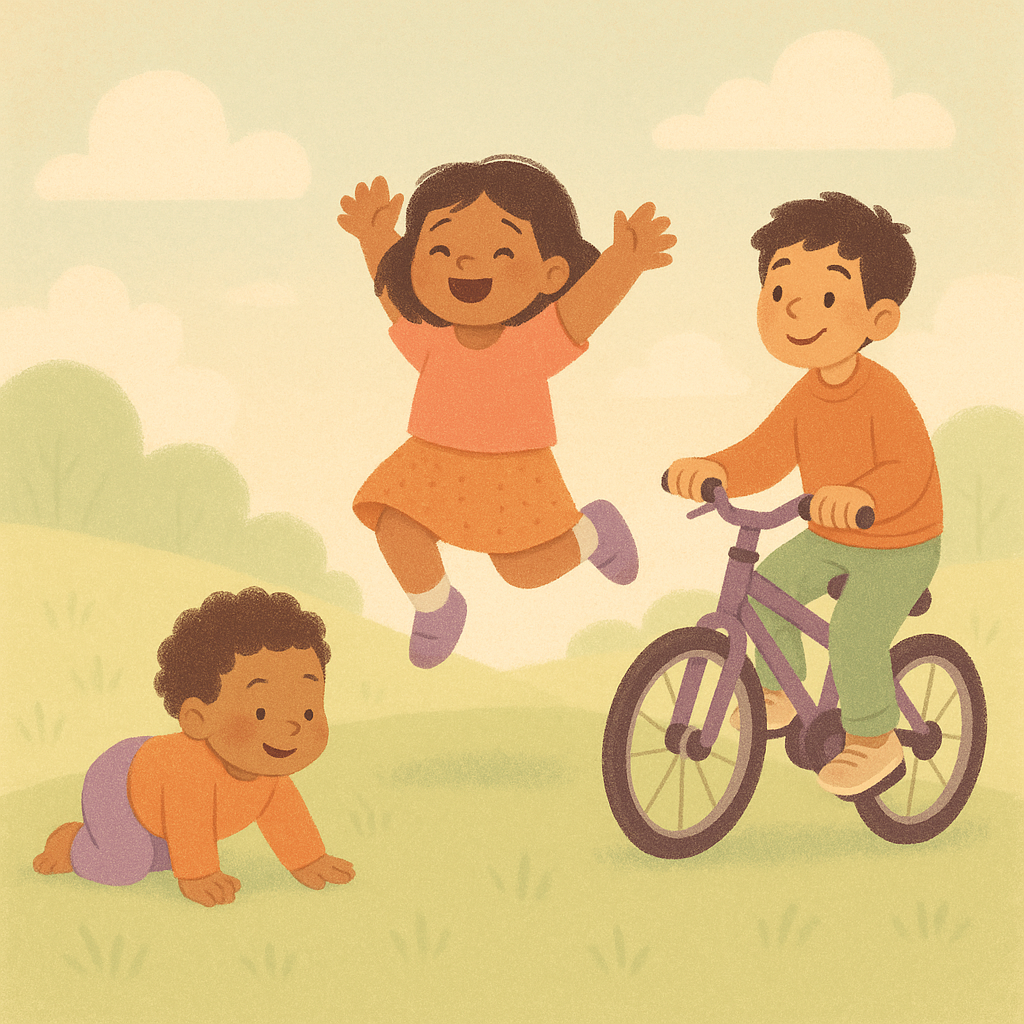
- Encourage movement: Place toys just out of reach to motivate them to get there, whether by rolling, scooting, or crawling.
- Standing and walking: When your child starts pulling up on furniture, encourage them. According to the latest CDC guidelines, many children learn to walk independently by 18 months. Don't worry, and respect your child's unique developmental timeline.
Preschoolers (3 to 5 years): Endless energy!
This is the peak of boundless energy. Use it to build strong muscles.
- Playground fun: Swinging, sliding, and climbing on playground equipment are fantastic full-body workouts.
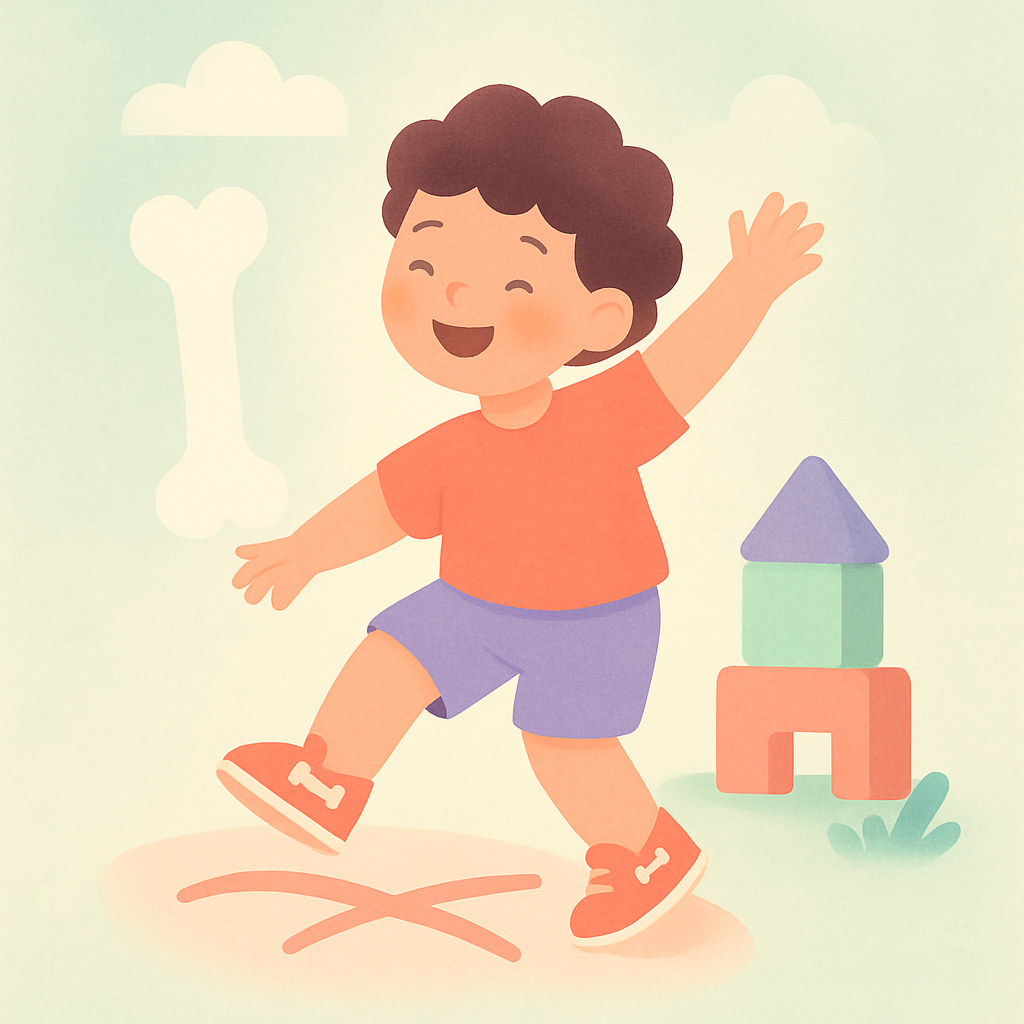
- Running, jumping, and hopping: Games like tag or hopscotch are excellent for strengthening leg muscles and improving balance.
- Dancing: Put on some music and dance together! It's a joyful way to get moving and improve coordination.
School-Aged Children and Teens (6+ years): Building healthy habits
At this age, you can introduce slightly more structured activities, but they should still be fun.
- Team or individual sports: Soccer, basketball, swimming, or cycling are great options. The important thing is that your child enjoys it.
- Bodyweight exercises: Moves like squats, push-ups (even on the knees), and sit-ups help build muscle strength.
- Jumping rope: A simple and highly effective activity for heart and bone health.
The World Health Organization (WHO) recommends that children and adolescents get at least 60 minutes of moderate-to-vigorous physical activity daily, including muscle- and bone-strengthening activities at least 3 days a week.
What is the role of nutrition alongside exercise for bone health?
Exercise and nutrition are two wings that work together for optimal health. No matter how active your child is, their bones and muscles won't develop properly without a suitable diet. To build strong bones, these nutrients are essential:
- Calcium: Found in milk, yogurt, cheese, broccoli, and other dark leafy greens.
- Vitamin D: The best source is sunlight. Fatty fish (like salmon) and fortified foods (like some milks) are also good sources.
- Protein: Essential for building and repairing muscles, found in meat, poultry, fish, eggs, legumes, and dairy products.
A healthy, balanced diet provides the fuel your child needs for play, growth, and getting stronger.
Frequently Asked Questions
1. Does physical activity help a child grow taller? Yes, indirectly. Genetics is the primary factor determining height. However, regular physical activity helps a child reach their maximum genetic height potential by strengthening bones, improving posture, and helping to maintain a healthy weight (a suitable BMI for their age). Proper nutrition also plays a vital role in this.
2. Is weightlifting harmful for kids? Heavy weightlifting like that done by adults is not recommended for growing children, as it can damage their bone growth plates. However, light resistance training using body weight, resistance bands, or very light weights under the supervision of a coach is very beneficial and safe for strengthening teens' muscles. The focus should always be on proper form, not the amount of weight.
3. My child isn't interested in formal sports. What should I do? Don't force it! Replace the word "exercise" with "play" and "activity." Family hikes in nature, biking together, or even active video games (like dancing games) can be excellent alternatives. The main goal is to move and have fun doing it.
In Summary
Building a strong, healthy body for your child is a gift that lasts a lifetime. By encouraging your child to be physically active and strengthen their muscles through fun and play, and by providing a nutritious diet, you are laying the foundation for a healthy and happy life. Be a good role model and participate in these activities yourself to make it more enjoyable for both you and your child.
Disclaimer: This article is for informational purposes only and is not a substitute for professional medical advice. To monitor your child's health and for any concerns about their growth, height, weight, or orthopedic issues, please consult with a pediatrician or a pediatric endocrinologist.